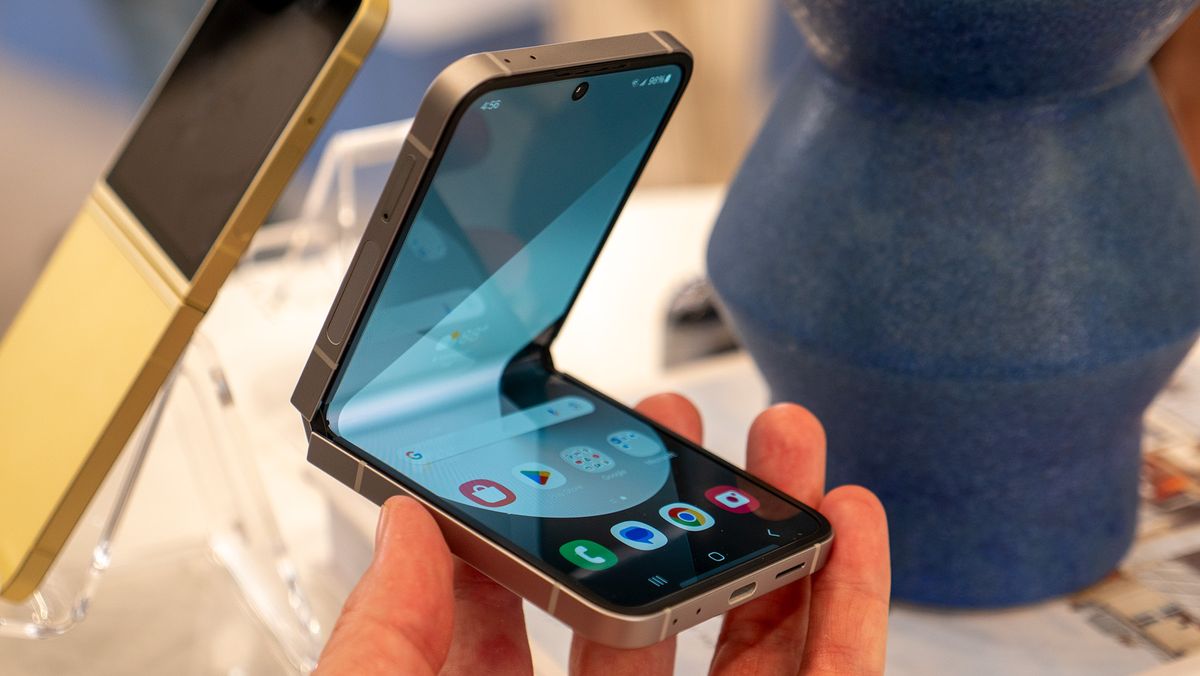
The Unfolding Resilience: A Deep Dive into Galaxy Z Flip 7 Screen Durability
The advent of foldable smartphones ushered in a new era of mobile technology, promising the best of both worlds: a compact form factor that unfolds into an expansive display. However, with this revolutionary design came a persistent question mark – screen durability. From the initial anxieties surrounding the first-generation devices to the iterative improvements seen in subsequent models, the resilience of the folding display has remained a central concern for consumers. As anticipation builds for the Samsung Galaxy Z Flip 7, the spotlight once again falls on its screen: will it finally deliver the unwavering durability that users demand, bridging the gap between innovative design and robust everyday use?
This extensive article will dissect the various facets of screen durability concerning the upcoming Galaxy Z Flip 7, examining the technological advancements, the challenges that persist, and the real-world implications for users. We will explore the materials, the hinge mechanism, the protective layers, and the expected performance in an attempt to gauge just how resilient Samsung’s latest clamshell foldable is likely to be.
The Legacy of Fragility: A Historical Perspective on Foldable Screens
To truly appreciate the expected durability of the Z Flip 7, it’s crucial to understand the journey of foldable screens. The early days were fraught with challenges. The very first Samsung Galaxy Fold, while groundbreaking, faced significant issues with its display, including delamination, debris ingress, and premature creasing. These initial hurdles, though largely addressed by Samsung’s rapid response, etched a perception of fragility into the public consciousness regarding foldable phones.
The first Galaxy Z Flip, launched in 2020, introduced the world to Ultra-Thin Glass (UTG) – a revolutionary material that offered superior scratch resistance compared to the plastic-based displays of its predecessors. Yet, even with UTG, the screen remained softer than traditional smartphone glass, susceptible to scratches from fingernails or everyday objects. Dust and debris ingress through the hinge remained a concern, and while the hinge itself was robust, the display was still a delicate component.
Subsequent generations – the Z Flip 3, Z Flip 4, and Z Flip 5 – saw continuous, albeit incremental, improvements. Samsung refined the UTG, making it more robust. The hinge mechanism evolved from a gap-prone design to the "Flex Hinge" or "waterdrop hinge," which reduced the crease and significantly minimized dust entry. The introduction of IPX8 water resistance was a monumental leap, making these devices far more resilient to liquid exposure than their predecessors. Armor Aluminum frames added further structural integrity.
Despite these advancements, the core challenge of a truly scratch-resistant folding screen, comparable to Gorilla Glass on a conventional phone, has remained elusive. The visible crease, while largely a cosmetic issue that doesn’t impact functionality or longevity, continues to be a point of discussion for some users. The Z Flip 7 is expected to be the culmination of these years of iterative development, aiming to solidify its position as a durable, reliable daily driver.
The Anatomy of Resilience: Core Technologies Expected in Z Flip 7’s Screen
The durability of the Galaxy Z Flip 7’s screen is not just about one component but a synergy of advanced materials and engineering.
1. Ultra-Thin Glass (UTG): The Flexible Foundation
At the heart of the Z Flip 7’s main display will be an enhanced version of Samsung’s Ultra-Thin Glass. Unlike traditional smartphone glass (like Gorilla Glass), which is inherently rigid, UTG is manufactured to be incredibly thin (often less than 30 micrometers) and flexible. This allows it to bend thousands of times without fracturing.
For the Z Flip 7, we can anticipate a "second-generation" or "enhanced" UTG. This typically means improvements in its chemical composition and manufacturing process, leading to:
- Increased Hardness: While it won’t be as hard as conventional glass, the new UTG is expected to offer better resistance against micro-scratches from daily interactions – fingernails, fabric, and light brushes against objects. This is crucial for user confidence.
- Improved Flexibility and Fatigue Resistance: The glass must withstand hundreds of thousands of folds over the device’s lifespan. Enhanced UTG is designed to better resist the cumulative stress of repeated bending, ensuring the display maintains its integrity and optical clarity over time.
- Better Integration with Protective Layers: The UTG works in conjunction with other layers, and improvements in UTG often mean better adhesion and performance with the protective films that sit on top.
2. The Advanced Flex Hinge: Guarding the Fold
The hinge is arguably as critical as the display itself for a foldable’s durability. The Z Flip series adopted the "Flex Hinge" (also known as the "waterdrop hinge" or "teardrop hinge") starting with the Z Flip 5. This design allows the screen to fold into a more relaxed, waterdrop shape when closed, significantly reducing the tension at the crease point and making the crease less pronounced.
For the Z Flip 7, the Flex Hinge is expected to undergo further refinements:
- Enhanced Precision and Durability: Samsung likely employs even tighter manufacturing tolerances and potentially stronger materials for the hinge components, ensuring smoother operation and greater longevity. The official rating of 200,000 folds (or more) is likely to be maintained, if not improved upon.
- Superior Dust Protection: While IPX8 rating signifies water resistance (submersion up to 1.5m for 30 mins), it does not include dust resistance. However, the Flex Hinge’s design inherently minimizes gaps, and Samsung incorporates a "sweeper" or "brush" mechanism within the hinge to push out small particles as the phone opens and closes. For the Z Flip 7, these internal brushes could be denser, more effective, or made of a material that better repels micro-debris. While true IP6X dust resistance for the inner screen is unlikely due to the nature of the hinge, any improvement in this area is a significant durability boost.
- Reduced Crease Visibility (A Side Benefit): While not directly a durability feature, a less visible crease is often a byproduct of a more refined hinge design that distributes stress more evenly. This contributes to the perceived durability and premium feel.
3. Protective Layers: The First Line of Defense
Beneath the user’s touch and above the UTG lies a crucial, pre-applied screen protector. This is not a user-removable film like those found on conventional phones; it is an integral part of the display assembly. Its purpose is twofold:
- Primary Scratch Resistance: Being a polymer-based layer, it takes the brunt of daily scratches. While softer than glass, it’s designed to be easily replaceable by Samsung service centers if significantly damaged, protecting the underlying UTG.
- Structural Support: It adds a layer of rigidity and helps distribute pressure evenly across the flexible UTG, preventing localized stress points that could lead to damage.
For the Z Flip 7, Samsung might introduce:
- A More Resilient Polymer: Research into new polymer composites could lead to a protective layer that offers improved scratch resistance without compromising flexibility. This could involve materials with a higher Mohs hardness rating than previous iterations.
- Improved Adhesion: Better bonding between the protective layer and the UTG could prevent issues like bubbling or delamination that were occasionally reported in earlier models, especially after prolonged use or exposure to extreme temperatures.
4. Armor Aluminum Frame: External Fortification
While not directly part of the screen, the phone’s frame plays a critical role in overall drop durability. Samsung’s "Armor Aluminum" (introduced with the Z Flip 3) is a tougher, aerospace-grade aluminum alloy that provides enhanced resistance against drops and impacts. The Z Flip 7 will undoubtedly feature an even more refined version of this frame, which helps absorb shock and protect the delicate internal components, including the display assembly, during accidental falls.
Expected Durability Performance of the Galaxy Z Flip 7
Based on the iterative improvements and ongoing research in foldable display technology, here’s what users can realistically expect from the Z Flip 7’s screen durability:
1. Scratch Resistance: A Continued Improvement, But Not Indestructible
This remains the most critical area of focus for foldable screens. The Z Flip 7’s enhanced UTG and potentially improved protective layer are expected to offer:
- Better Resistance to Micro-Scratches: Daily scuffs from pockets, fabric, or fingernails should be less likely to leave permanent marks. This is where the incremental improvements in UTG hardness truly shine.
- Vulnerability to Harder Materials: While improved, the inner folding screen will not be as scratch-resistant as the Gorilla Glass Victus 2 or Armor Glass found on the outer screen or traditional flagship phones. Harder objects like keys, coins, sand particles (quartz), or razor blades will still be able to scratch the screen. Users will still need to exercise caution and avoid direct contact with such materials.
- The Pre-Applied Protector is Key: It’s vital to reiterate that the pre-applied protective layer is not meant to be removed. It’s the sacrificial layer designed to take the brunt of scratches and can be replaced by Samsung if necessary.
2. Drop Resistance: Surprisingly Robust, Especially When Closed
One of the counter-intuitive benefits of the clamshell design is its inherent drop resistance when closed.
- Closed Drops: When folded, the delicate inner screen is completely protected. The impact forces are absorbed by the Armor Aluminum frame and the outer screens (which are typically made of more durable Gorilla Glass Victus equivalents). Drops onto corners or edges are generally well-tolerated.
- Open Drops: Dropping the phone when it’s open is riskier, but the Flex Hinge helps absorb some of the impact. However, a direct face-down drop onto a rough surface could still damage the inner screen or its protective layer. The outer screen (Cover Screen) will likely feature the latest Gorilla Glass Victus, making it highly resistant to drops and scratches.
3. Water and Dust Resistance: IPX8 Remains a Standard, Dust Still a Challenge
- IPX8 Water Resistance: The Z Flip 7 will undoubtedly maintain the IPX8 rating, a remarkable feat for a foldable. This means it can withstand immersion in up to 1.5 meters of fresh water for 30 minutes. This provides excellent protection against accidental spills, rain, or even brief submersion.
- No Official Dust Resistance (IPX-8): As mentioned, IPX8 does not cover dust. While the refined Flex Hinge with its internal brushes significantly reduces the ingress of larger particles, microscopic dust can still find its way into the hinge mechanism over time. While this rarely causes immediate screen damage, it can potentially lead to internal wear or gritty hinge feel over very long periods. True dust resistance (IP6X) for foldables is still a frontier that no manufacturer has fully conquered for the main screen.
4. Crease Durability: Cosmetic, Not Catastrophic
The crease, while often visible under certain lighting conditions or felt by touch, is largely a cosmetic feature and no longer a significant durability concern in modern foldables. The Flex Hinge and advanced UTG are designed to withstand hundreds of thousands of folds without the crease leading to structural failure or display malfunction. For the Z Flip 7, the crease is expected to be as minimal as, if not slightly less pronounced than, the Z Flip 5, further contributing to the premium feel without impacting longevity.
Real-World Usage and User Perception
Despite the technological leaps, user habits and perception continue to play a significant role in how "durable" a foldable phone feels.
- Mindful Handling: Even with advancements, a foldable screen requires a slightly more mindful approach than a slab phone. Avoiding extreme pressure on the inner screen with sharp objects (like a thumbnail digging in), keeping it away from highly abrasive materials (sand, dirt), and using a protective case (especially for the outer shell) are still recommended practices.
- Cleaning: Regular, gentle cleaning of the screen with a microfiber cloth helps maintain its clarity and prevents the accumulation of micro-particles that could cause scratches over time.
- Temperature Extremes: While modern displays are robust, extreme cold can make glass more brittle. Users should avoid folding or unfolding the device aggressively in very low temperatures, though this is a niche concern for most.
- Perception vs. Reality: The initial "fragile" stigma of foldables persists for some. However, real-world usage data from Z Flip 3, 4, and 5 owners consistently shows that these devices are far more resilient than often perceived, comfortably handling daily use for years. The Z Flip 7 is poised to further solidify this reality.
Samsung’s Commitment and After-Sales Support
Samsung’s continued investment in the foldable segment underscores its confidence in the technology. This commitment extends to after-sales support, which is crucial for foldable owners:
- Samsung Care+: Subscription-based protection plans like Samsung Care+ offer peace of mind, covering accidental damage to the screen and other components with a deductible. This is highly recommended for foldable owners.
- Repair Services: Samsung has established repair centers and protocols specifically for foldable devices, ensuring trained technicians and genuine parts are available for screen replacements if accidental damage occurs. While out-of-warranty screen replacements can be costly, the availability of such services is a key aspect of durability support.
- Warranty: The standard manufacturer’s warranty covers defects in materials and workmanship, but not accidental damage.
The Future of Foldable Durability: Beyond the Z Flip 7
The Z Flip 7 represents a significant step, but the journey towards ultimate foldable durability is ongoing. Future innovations could include:
- Self-Healing Materials: Research into polymers that can automatically repair minor scratches could revolutionize screen longevity.
- True Dust Resistance: Achieving an IP68 rating (full dust and water resistance) for the inner screen would be a monumental breakthrough, likely requiring entirely new hinge and display sealing technologies.
- Even Harder UTG: Continued advancements in glass chemistry could lead to UTG that truly rivals the hardness of conventional smartphone glass.
- New Display Technologies: Future displays might integrate protective layers directly into the flexible OLED panel, reducing the need for separate, softer films.
Conclusion: The Z Flip 7 – A New Benchmark for Foldable Resilience
The Samsung Galaxy Z Flip 7 is poised to be the most durable clamshell foldable yet. Building on years of iterative improvements, it will combine an enhanced Ultra-Thin Glass, a refined Flex Hinge with superior dust mitigation, and robust external protection from Armor Aluminum. While it won’t be entirely immune to damage – especially from sharp objects on its inner screen – it will significantly narrow the gap between the perceived fragility of foldables and the robust reality of modern smartphone use.
For the vast majority of users, the Z Flip 7’s screen will comfortably withstand the rigors of daily life, offering impressive resistance to drops (especially when closed) and comprehensive water protection. The enduring fear of the "fragile foldable" is becoming increasingly outdated with each generation, and the Z Flip 7 is set to be the strongest testament to this evolution. It represents a mature and reliable step in the journey of foldable technology, empowering users to embrace the future of mobile design without constant apprehension about their device’s resilience. The unfolding of the Z Flip 7 will reveal not just a beautiful display, but a remarkably robust piece of engineering designed to last.