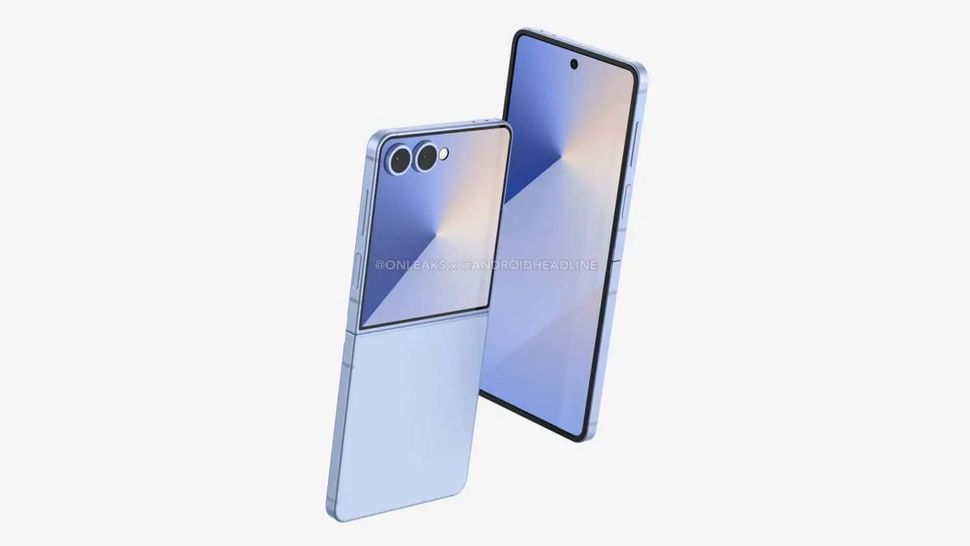
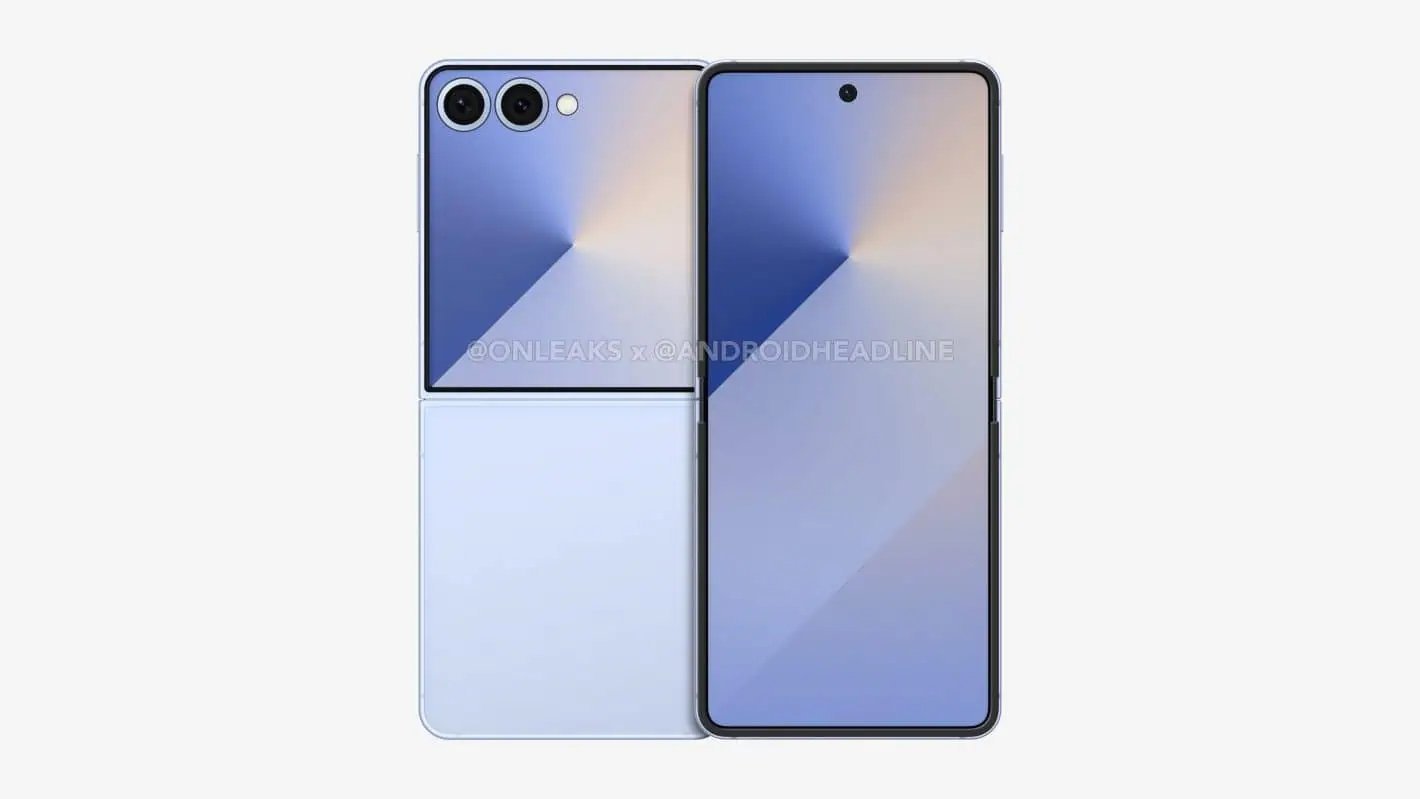
The Endurance Evolution: A Deep Dive into the Samsung Galaxy Z Flip 7 Battery Life
The Samsung Galaxy Z Flip series has carved a unique niche in the smartphone market, redefining portability and style with its innovative foldable form factor. However, like many cutting-edge technologies, the journey of foldables has been one of continuous refinement, particularly concerning a critical aspect: battery life. As anticipation builds for the Galaxy Z Flip 7, expected to be unveiled later this year, a paramount question remains: will it finally deliver the all-day endurance that users crave, moving beyond the "fashion-first, function-second" perception of its predecessors’ power management?
This comprehensive analysis will delve into the multifaceted factors that will shape the Galaxy Z Flip 7’s battery performance, from anticipated hardware advancements and software optimizations to real-world usage scenarios and a comparison against its lineage and competition. We aim to project a realistic picture of what users can expect from the Z Flip 7’s power longevity.
I. The Legacy of Battery Challenges in Foldables: A Necessary Context
Before projecting into the future, it’s crucial to understand the inherent challenges that have historically plagued foldable phone batteries. Unlike traditional "slab" smartphones, foldables present unique engineering hurdles:
- Space Constraints: The hinge mechanism and the need for two separate battery cells (one in each half of the phone) severely limit the overall capacity that can be squeezed into the device. Every millimeter counts in a device designed for compactness.
- Dual Displays: While the external cover screen offers convenience, both it and the large internal foldable display consume power. Even when the main screen is off, background processes and notifications can light up the cover screen.
- High Refresh Rates & Brightness: Modern flagship displays, including those on the Z Flip, boast adaptive refresh rates up to 120Hz and peak brightness levels for outdoor visibility. These features, while enhancing user experience, are significant power drains.
- Processor Demands: High-performance processors, essential for smooth multitasking and gaming, inherently require more power, especially under heavy load.
- Thermal Management: Cramming powerful components and batteries into a thin, foldable chassis can lead to heat generation. Inefficient cooling can trigger thermal throttling, reducing performance and potentially increasing power consumption for the same task.
Previous Z Flip iterations have seen incremental battery improvements. The Z Flip 3 (3,300mAh) was often criticized for its sub-par endurance. The Z Flip 4 (3,700mAh) offered a noticeable leap, largely due to a more efficient Snapdragon 8+ Gen 1 chip. The Z Flip 5, while retaining the same 3,700mAh capacity, leveraged the highly efficient Snapdragon 8 Gen 2 for Galaxy, resulting in further, albeit modest, real-world gains. The Z Flip 6 is rumored to push this slightly further, perhaps to 3,800mAh or 3,900mAh, coupled with the Snapdragon 8 Gen 3. The Z Flip 7, therefore, needs to build on this foundation.
II. Anticipated Hardware Enhancements for the Z Flip 7
The Z Flip 7’s battery life will be a complex interplay of several hardware advancements, each contributing to improved efficiency and potentially, increased capacity.
A. Battery Capacity: The Millimeter-by-Millimeter Battle
While a dramatic increase in battery capacity (e.g., jumping to 4,500mAh) is highly unlikely due to the Z Flip’s fundamental design philosophy of thinness and compactness, Samsung is expected to pursue every possible millimeter to eke out a larger capacity. Following the rumored slight bump in the Z Flip 6, the Z Flip 7 could realistically push the envelope to around 4,000 mAh.
This increase, while seemingly minor on paper, can translate into tangible real-world gains when combined with other efficiencies. Samsung’s engineers are likely exploring denser battery technologies or more optimized internal layouts to achieve this without significantly altering the device’s beloved slim profile. Every 100mAh increase, coupled with efficiency gains, matters significantly in a device where battery life has been a primary point of concern.
B. Processor Efficiency: The Heart of Endurance
The most significant driver of battery life improvements in recent generations has been the advancements in mobile processors. The Galaxy Z Flip 7 is almost certainly expected to feature the next-generation flagship chipset, likely the Qualcomm Snapdragon 8 Gen 4 (or an equivalent "for Galaxy" optimized variant, and potentially an Exynos counterpart in some regions).
The Snapdragon 8 Gen 4 is anticipated to be manufactured on a cutting-edge 3nm process node (or an improved 4nm process). A smaller process node means transistors are packed more densely, leading to:
- Reduced Power Consumption: Less energy is required for operations, translating directly into longer battery life.
- Improved Performance-per-Watt: The chip can deliver more raw processing power for the same amount of energy consumed, or maintain performance while using less power.
- Better Thermal Management: More efficient chips generate less heat, preventing premature throttling and maintaining optimal performance and efficiency over longer periods.
If Samsung opts for a dual-chip strategy (Snapdragon and Exynos), the Exynos variant would also need to demonstrate comparable efficiency gains to ensure a consistent user experience across markets. The overall optimization of the chip’s CPU, GPU, and NPU (Neural Processing Unit for AI tasks) will play a crucial role in managing power effectively across various workloads, from light browsing to intense gaming.
C. Display Technology: Smarter, Not Just Brighter
The Z Flip 7’s display, both internal and external, will also be a key area for power efficiency improvements.
- Advanced LTPO Technology: Expect the main foldable display to feature a more refined LTPO 3.0 (or even 4.0) panel. This technology allows for dynamic refresh rates to scale even more precisely, from as low as 1Hz (for static content like Always-On Display) up to 120Hz (for scrolling and gaming). More granular control over refresh rates means the display consumes only the power it needs, when it needs it.
- Improved OLED Materials: Samsung Display consistently refines its OLED panel materials, leading to higher brightness levels with reduced power draw. The Z Flip 7’s display will likely be brighter than its predecessors, but paradoxically, also more efficient.
- Cover Screen Enhancements: The external cover screen has grown significantly in utility. While convenient, its power consumption also needs optimization. Samsung will likely refine its panel and software to ensure it’s incredibly efficient for quick glances and widget interactions, minimizing the need to open the main display.
D. Cooling System and Power Management ICs (PMICs)
While often overlooked, the phone’s internal cooling system (vapor chambers, graphite sheets, etc.) and Power Management Integrated Circuits (PMICs) are vital. An efficient cooling system prevents the processor from throttling, allowing it to operate at peak efficiency without unnecessary power spikes. Improved PMICs can manage power delivery to various components more precisely, reducing energy waste.
III. Software Optimization: The Unsung Hero
Hardware provides the foundation, but software optimization is where true battery magic happens. Samsung’s One UI, built on Android, will feature several enhancements aimed at maximizing the Z Flip 7’s endurance.
A. Android OS and One UI Synergy
- Adaptive Battery & App Standby: Google’s Android continues to refine features like Adaptive Battery, which learns user habits to prioritize power for frequently used apps and restrict background activity for others. App Standby buckets further categorize apps based on usage, limiting their access to CPU and network resources.
- Deep Sleep Optimization: When the phone is idle, One UI will aim for deeper sleep states, minimizing background power draw from Wi-Fi, mobile data, and sensors.
- Background Process Management: Samsung’s aggressive, yet smart, background app management will be crucial. Users will have granular control over which apps can run in the background, send notifications, or access location services.
- Power Saving Modes: The Z Flip 7 will offer various power-saving modes, from standard (which limits CPU speed, brightness, and background sync) to extreme (which turns the UI monochrome, limits app access, and disables non-essential features). These modes can significantly extend battery life in critical situations.
B. AI Integration: Smarter Power Allocation
Samsung’s increasing focus on on-device AI (Galaxy AI) will directly benefit battery life.
- Predictive Usage: AI can learn individual user patterns – when they typically charge, which apps they use at certain times, and even their preferred brightness levels. This data can be used to proactively optimize resource allocation, putting components into low-power states when not needed, or pre-loading apps efficiently.
- Real-time Optimization: AI can dynamically adjust CPU/GPU frequencies based on the immediate task, ensuring the phone uses just enough power, not more. For example, during a simple messaging task, the processor can run at a lower clock speed than during a demanding game.
- Efficient AI Processing: The dedicated NPU in the Snapdragon 8 Gen 4 will handle AI tasks more efficiently than the main CPU/GPU, reducing power consumption for features like live translation, photo editing, and advanced camera modes.
C. Flex Mode and Cover Screen Optimization
The unique features of the Z Flip series also offer opportunities for power savings:
- Flex Mode Optimization: When the phone is partially folded in Flex Mode, the UI adapts. Samsung can optimize this mode to use less power, perhaps by dimming the unused portion of the screen, or by intelligently managing which sensors and components are active.
- Cover Screen Efficiency: The enlarged cover screen is a double-edged sword. While it provides convenience, its power consumption must be meticulously managed. Samsung’s software will optimize widget refresh rates, notification display, and quick actions on the cover screen to minimize main screen activation, thereby saving significant power. Using the cover screen for quick replies, checking notifications, or controlling music can prevent the main, larger display from being turned on, leading to substantial power savings throughout the day.
IV. User Usage Patterns and Real-World Impact
Even with all the hardware and software optimizations, real-world battery life will heavily depend on individual user habits.
A. Light Users
- Usage: Occasional messaging, social media scrolling, web browsing, few calls, minimal gaming.
- Expected Battery Life: For light users, the Z Flip 7, with its anticipated enhancements, should comfortably last a full day (12-16 hours) with typical usage, potentially even pushing into a second day with very careful management. Screen-on time (SOT) could reach 6-7 hours.
B. Moderate Users
- Usage: Regular social media, streaming video (Netflix, YouTube), moderate gaming, navigation, frequent calls, taking photos/videos.
- Expected Battery Life: This category represents the majority of users. The Z Flip 7 is expected to provide all-day endurance (10-14 hours) for moderate users, meaning it should get you from morning to bedtime without needing a top-up, though heavy usage bursts might necessitate a quick charge. SOT would likely be in the 5-6 hour range.
C. Heavy Users
- Usage: Extensive gaming, prolonged video calls, tethering, high-resolution video recording, constant GPS navigation, maximum brightness settings.
- Expected Battery Life: For heavy users, the "all-day" promise becomes challenging for any compact flagship, including the Z Flip 7. While improvements will be evident, heavy users will likely still need a mid-day top-up, especially if engaging in demanding activities. Battery life might range from 6-10 hours, with SOT around 3-4 hours.
D. Factors Influencing SOT
Beyond usage patterns, several factors will impact the Z Flip 7’s real-world screen-on time:
- Network Signal Strength: Poor cellular signal forces the modem to work harder, draining battery.
- Location Services: Constant GPS usage for navigation or location-aware apps consumes significant power.
- App Sync and Notifications: Numerous apps constantly syncing in the background can contribute to drain.
- Brightness Level: Higher screen brightness directly correlates with increased power consumption.
- Gaming and Video Streaming: These are highly intensive tasks for both the processor and display.
V. Charging Technology: Getting Back Up to Speed
While battery life aims for longevity, charging speed dictates how quickly you can get back in action. The Z Flip series has historically lagged behind some competitors in charging speeds.
- Wired Charging: The Z Flip 5 supported 25W wired charging. For the Z Flip 7, Samsung might slightly increase this to 30W or even 45W, aligning with some of its other flagship devices. While not revolutionary compared to Chinese brands offering 100W+, it would be a welcome improvement, allowing for a significant top-up in 15-20 minutes.
- Wireless Charging: The Z Flip 5 supported 15W wireless charging. The Z Flip 7 is expected to maintain or slightly improve upon this, adhering to Qi standards.
- Reverse Wireless Charging: Features like Wireless PowerShare (reverse wireless charging at 4.5W) are expected to remain, allowing users to charge accessories like earbuds or smartwatches, though this feature itself consumes battery from the phone.
- Battery Health Features: Samsung will likely continue to offer features that help preserve long-term battery health, such as "Protect Battery," which limits the maximum charge to 85%.
VI. Comparison to Predecessors and Competitors
A. Z Flip 7 vs. Z Flip 5/6
The Z Flip 7 is expected to be the most power-efficient Flip to date. While the Z Flip 5/6 already brought meaningful improvements over the Z Flip 3/4 thanks to highly efficient Snapdragon chips, the Z Flip 7 should offer a more refined and consistent experience. The combination of slightly increased capacity, the next-gen 3nm processor, and more mature software optimizations should translate into tangible gains across all usage scenarios, making it the first Flip that truly offers a reliable "all-day" experience for moderate users.
B. Z Flip 7 vs. Other Foldables (Motorola Razr, OPPO Find N Series)
Competitors like the Motorola Razr series and OPPO Find N Flip series also battle with similar form factor constraints. The Z Flip 7 will aim to outperform them in a balance of capacity, processor efficiency, and software optimization. While some competitors might offer slightly larger batteries, Samsung’s holistic approach to efficiency and software integration will be its key differentiator.
C. Z Flip 7 vs. Traditional Slab Flagships
It’s important to set realistic expectations. Due to the inherent design constraints, the Z Flip 7 will likely still not match the absolute battery longevity of larger, traditional slab flagships like the Galaxy S24 Ultra, which can house significantly larger batteries (e.g., 5,000mAh) and benefit from less complex display architectures. The Z Flip 7’s appeal lies in its unique form factor and user experience, and battery life will always be a balancing act.
VII. The "Foldable Compromise" and User Expectations
Ultimately, purchasing a Z Flip 7 involves accepting a certain "foldable compromise." The unparalleled portability, the unique Flex Mode, and the fashion statement come with the engineering challenge of maximizing battery life within tight constraints.
For the Z Flip 7, the goal isn’t necessarily to become a multi-day powerhouse, but to eliminate battery anxiety for the average user. It needs to reliably get through a full day of moderate use without constant worry or the need for a midday scramble for a charger. It needs to offer predictable endurance that matches the premium price tag. Users who prioritize extreme battery life above all else might still be better served by traditional, larger form factor phones. However, for those captivated by the foldable experience, the Z Flip 7 promises to significantly close the gap.
Educating users on optimizing battery life – utilizing power-saving modes, managing background apps, adjusting brightness, and leveraging the cover screen – will also be crucial for Samsung to manage expectations and ensure user satisfaction.
VIII. Future Outlook and Sustainability
Looking beyond the Z Flip 7, the future of foldable battery life will likely involve:
- Novel Battery Technologies: Solid-state batteries, silicon anodes, or other advanced chemistries that offer higher energy density in smaller footprints.
- Further Miniaturization: More compact components across the board, freeing up more space for battery cells.
- Ultra-Efficient Displays: Even more advanced LTPO and self-emitting display technologies.
- Sustainable Practices: Easier battery replacement, modular designs, and increased use of recycled materials in battery components.
IX. Conclusion
The Samsung Galaxy Z Flip 7 stands at a pivotal juncture in the foldable journey. While the exact specifications remain speculative, the confluence of anticipated hardware advancements – a slightly larger battery capacity, the next-generation 3nm (or highly efficient 4nm) processor, and more refined LTPO display technology – combined with Samsung’s continuous software optimization through One UI and on-device AI, paints a promising picture.
The Z Flip 7 is poised to be the most power-efficient Flip device yet. For light to moderate users, it should reliably deliver all-day battery life, freeing them from constant charger anxiety. Heavy users will still push its limits, but even they will experience improved longevity compared to earlier generations. The progress, while incremental in capacity, will be significant in terms of overall efficiency and user experience.
The Z Flip 7’s success in battery life will not be about matching the behemoths, but about striking the perfect balance: delivering the unparalleled style and unique functionality of a compact foldable, finally with the reliable endurance to match its premium status, making it a truly compelling and practical daily driver for a broader audience. The endurance evolution of the Z Flip series is real, and the Z Flip 7 is set to be its most significant leap yet.