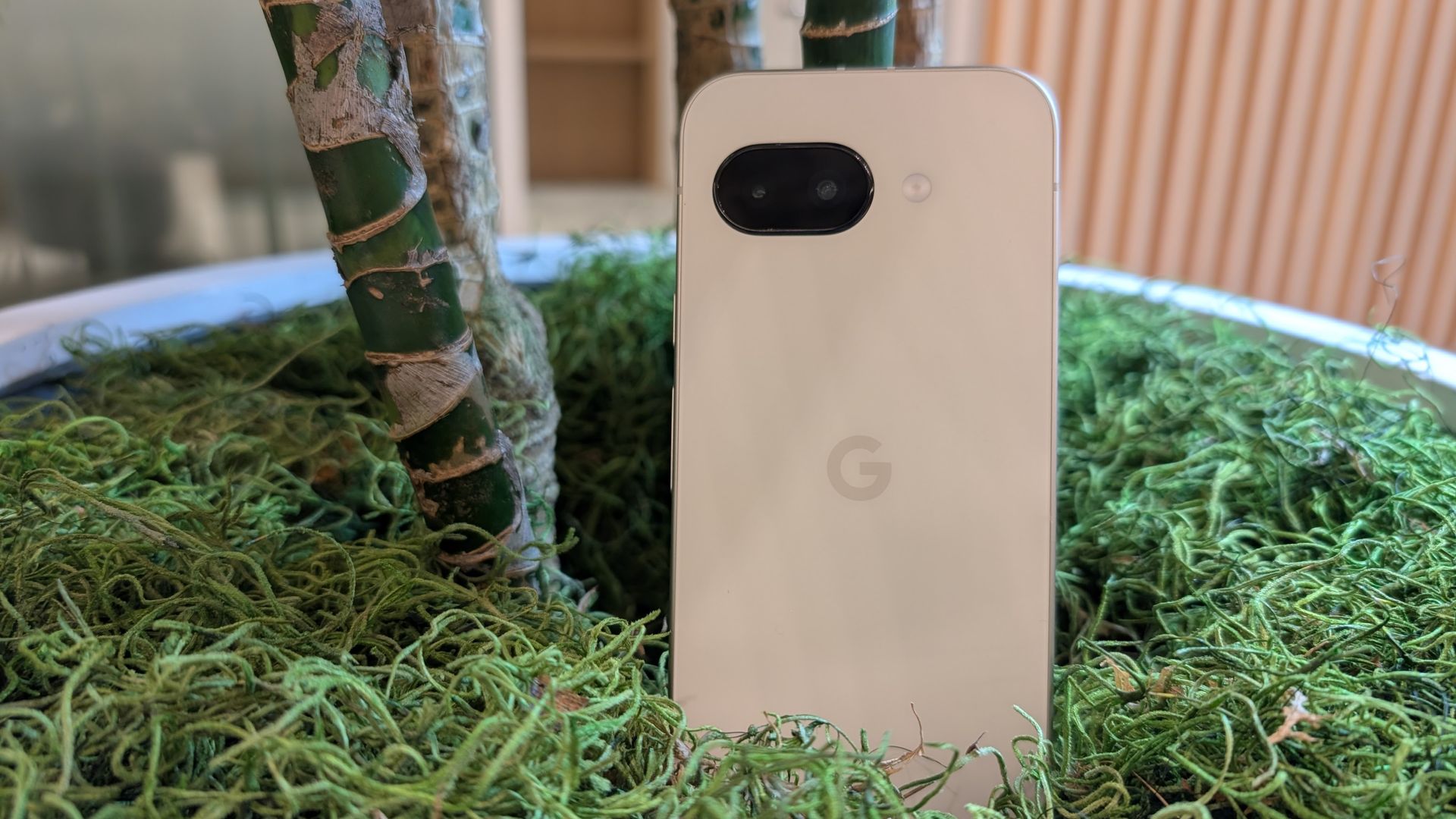
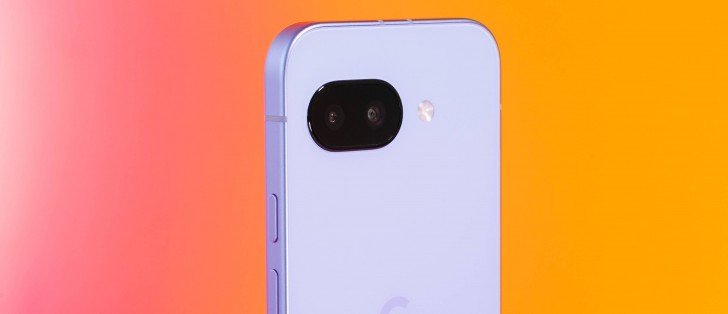
The Endurance Equation: A Deep Dive into the Google Pixel 9a’s Battery Life and Charging Speed
In the hyper-connected world of modern smartphones, battery life and charging speed have transcended mere specifications to become foundational pillars of the user experience. A device that constantly battles for power or takes an eternity to refuel is, for many, a non-starter, regardless of its other technological marvels. Google’s "a-series" Pixels have carved out a significant niche by offering a compelling blend of flagship-level camera performance, pure Android experience, and respectable overall utility at a more accessible price point. As anticipation builds for the Google Pixel 9a, one of the most scrutinized aspects will undoubtedly be its power management capabilities: how long does it last, and how quickly can it get back in the game?
This extensive article aims to explore the multifaceted world of the Pixel 9a’s battery life and charging speed, delving into the hardware, software optimizations, real-world usage scenarios, comparative analyses, and the underlying philosophies that Google brings to the table. While specific numbers for the Pixel 9a are speculative at the time of writing, we can draw informed conclusions based on its predecessors, industry trends, and Google’s consistent approach to smartphone design.
I. The Core Component: Understanding the Pixel 9a’s Battery Hardware
At the heart of any phone’s endurance lies its physical battery, measured in milliampere-hours (mAh). The Pixel ‘a’ series has generally seen incremental increases in battery capacity with each generation, aiming to offset potential power demands from new chipsets and higher refresh rate displays.
1. Anticipated Battery Capacity:
Building upon the Pixel 8a’s rumored 4,492 mAh battery and the 7a’s 4,385 mAh, it is reasonable to expect the Pixel 9a to feature a battery in the range of 4,500 mAh to 4,700 mAh. This capacity range is considered robust for a mid-range smartphone, offering a solid foundation for all-day usage for most users. Google tends to prioritize a balance between battery size, device thickness, and weight, ensuring the phone remains comfortable to hold and pocket. A significantly larger battery might make the device unwieldy, while a smaller one would compromise its primary function as an all-day companion.
2. The System-on-Chip (SoC) – Google Tensor’s Role:
The efficiency of the phone’s brain, the System-on-Chip (SoC), is as crucial as the battery’s raw capacity. The Pixel 9a is expected to feature a variant of Google’s Tensor G4 or potentially the next-generation Tensor G5 chip, likely a slightly toned-down version compared to its flagship Pixel 9 counterparts. Tensor chips are renowned for their powerful AI and machine learning capabilities, which are integral to Google’s computational photography and unique software features. However, early Tensor generations have sometimes been criticized for not being as power-efficient as competing Snapdragon chips from Qualcomm, particularly under sustained heavy loads.
With each iteration, Google has been refining the Tensor architecture, focusing on optimizing power consumption. For the Pixel 9a, improvements in core efficiency, better thermal management, and more intelligent task scheduling within the Tensor G4/G5 will be paramount. A more efficient SoC means less power drawn for the same tasks, translating directly into longer battery life. This refinement is often achieved through advanced manufacturing processes (e.g., moving to a smaller nanometer process), which allow for more transistors in a smaller area, operating with less power.
3. The Display’s Impact:
The display is arguably the most significant power consumer on any smartphone. The Pixel ‘a’ series has progressively moved towards higher refresh rates, with the Pixel 8a featuring a 120Hz OLED display. It is highly probable that the Pixel 9a will maintain or even enhance this, potentially offering an even more refined adaptive refresh rate technology.
While a higher refresh rate (e.g., 120Hz) provides a smoother visual experience, it also demands more power. Google’s software implementation of adaptive refresh rates – where the display intelligently switches between refresh rates (e.g., 60Hz for static content, 120Hz for scrolling or gaming) – is key to mitigating this drain. Furthermore, the efficiency of the OLED panel itself, its peak brightness, and how well Google’s software manages display brightness based on ambient light all play a critical role in overall battery longevity. Brighter displays consume more power, especially outdoors under direct sunlight.
II. The Software Symphony: Google’s Optimization Prowess
Raw hardware specifications only tell half the story. Google’s true strength lies in its deep integration of software and hardware, particularly when it comes to battery management. The Pixel experience is defined by intelligent algorithms working tirelessly in the background to optimize performance and conserve power.
1. Adaptive Battery: The Intelligent Manager:
Google’s Adaptive Battery feature, introduced years ago and continually refined, is a cornerstone of Pixel’s power efficiency. It leverages machine learning to understand your unique usage patterns – which apps you use, when you use them, and for how long. Over time, it learns to prioritize power for your most frequently used apps and services, while intelligently restricting background activity for less-used applications.
This isn’t a one-size-fits-all solution; it’s a personalized power profile. If you rarely use a particular social media app, Adaptive Battery will ensure it doesn’t drain power in the background unnecessarily. If you game heavily in the evenings, it will ensure sufficient resources are available for that period. This dynamic adjustment is far more effective than static power-saving modes, as it tailors the phone’s behavior to your habits, often without you even noticing.
2. Doze Mode and App Standby:
Complementing Adaptive Battery are Android’s built-in power-saving features like Doze Mode and App Standby.
- Doze Mode: When your phone is stationary and unplugged for a period, Doze mode kicks in, deferring CPU and network-intensive background tasks to maintenance windows. This significantly reduces idle battery drain, meaning your Pixel 9a should hold its charge remarkably well overnight or when left untouched on a desk.
- App Standby: This feature limits the impact of rarely used apps by putting them into a "standby" state, restricting their network access and background processes until they are explicitly launched or a maintenance window opens.
3. Background App Management and Notifications:
Google’s strict management of background processes is another critical factor. Unlike some Android skins that allow apps more freedom to run in the background, stock Android on Pixels is generally more aggressive in curtailing unnecessary activity. This means fewer rogue apps draining your battery without your knowledge. Furthermore, intelligent notification management, including features that group less important notifications or mute them during specific times, also contributes to reduced display wake-ups, which are a common source of battery drain.
4. Software Updates and Longevity:
Regular software updates from Google are not just about new features and security patches; they also frequently include performance and power efficiency optimizations. Over the lifespan of the Pixel 9a, these updates can refine how the Tensor chip interacts with the battery, improve modem efficiency, and further enhance software algorithms, potentially leading to improved battery life even months after purchase. However, it’s also worth noting that major Android version upgrades can sometimes initially introduce new bugs that might temporarily impact battery life, though Google is usually quick to patch these.
III. Real-World Endurance: Usage Scenarios and Expected Performance
Predicting exact screen-on time (SOT) numbers for the Pixel 9a is challenging without actual tests, as SOT is highly dependent on individual usage patterns. However, based on the anticipated hardware and Google’s software optimizations, we can project its performance across various scenarios.
1. Light to Moderate Usage:
For users who primarily browse the web, check social media, send messages, make occasional calls, and stream some audio, the Pixel 9a is expected to comfortably last a full day, from morning to night, with a healthy buffer. This translates to 6-8+ hours of screen-on time over a 16-18 hour period. The efficiency of the OLED display, combined with Adaptive Battery, will keep power consumption low during these less demanding tasks.
2. Heavy Usage:
Users who engage in more demanding activities, such as extended gaming sessions, frequent video streaming (especially high-resolution content), continuous GPS navigation, or heavy camera usage, will naturally see a quicker drain. Even for these power-hungry tasks, the Pixel 9a should still aim to provide a full workday’s use.
- Gaming: Intensive 3D gaming could consume 15-20% of the battery per hour, meaning 4-5 hours of sustained gaming might be the upper limit before needing a charge. The Tensor chip’s sustained performance and thermal management will be key here.
- Video Streaming: Looping high-definition video over Wi-Fi is often a good benchmark. The Pixel 9a should be capable of 15-20 hours of continuous video playback, making it an excellent companion for long commutes or flights.
- GPS Navigation: Continuous GPS use, especially with the screen on, is a significant drain. For road trips, expect the battery to last around 6-8 hours of active navigation.
3. Standby Time:
One area where Pixels consistently excel is standby drain. Thanks to Doze Mode and efficient background process management, the Pixel 9a is expected to lose minimal charge overnight – often just 2-5% over 8 hours. This means you can wake up with almost the same charge level as when you went to bed, a crucial factor for convenience.
4. Network Conditions:
The type of network connection also significantly impacts battery life.
- 5G vs. 4G: While 5G offers faster speeds, it generally consumes more power than 4G, especially in areas with weaker 5G signals where the modem has to work harder. The Pixel 9a will likely feature intelligent network switching, prioritizing 4G or Wi-Fi when 5G isn’t necessary or optimal for power consumption.
- Wi-Fi: Connecting to Wi-Fi is almost always more power-efficient than cellular data, particularly for data-intensive tasks like streaming.
5. Display Settings:
User-adjustable display settings play a direct role. Keeping brightness levels lower, utilizing dark mode themes (especially on OLED panels where black pixels are off), and setting the refresh rate to adaptive (or even forcing 60Hz if battery life is paramount) can noticeably extend endurance.
IV. The Charging Experience: Speed, Convenience, and Longevity
While battery life dictates how long you can use your phone, charging speed determines how quickly you can get back to full power when it inevitably runs low. Google’s approach to charging has historically been more conservative compared to some competitors, prioritizing battery health and longevity over blistering speeds.
1. Wired Charging Capabilities:
The Pixel ‘a’ series has generally offered respectable, though not class-leading, wired charging speeds. The Pixel 8a supports up to 18W wired charging, and the 7a also hovered around this mark. It is anticipated that the Pixel 9a will likely support 20W to 27W wired charging, aligning with the charging speeds seen in the flagship Pixel 8 series.
- USB Power Delivery (PD): Google exclusively uses the universal USB Power Delivery (PD) standard for wired charging. This means you don’t need a proprietary charger; any USB-PD compatible charger (including those from laptops or other devices) will work efficiently. This is a significant convenience factor, reducing electronic waste and the need for specific chargers.
- Charger Not Included: Following industry trends, the Pixel 9a will almost certainly not include a power adapter in the box. Users will need to supply their own USB-C PD charger. For optimal speeds, a 20W+ USB-C PD charger is recommended.
- Charging Curve: Modern smartphone batteries don’t charge linearly. They employ a "charging curve" where the device charges rapidly from 0% to around 50-70%, then slows down significantly for the remaining percentage to protect the battery and manage heat. For the Pixel 9a, expect:
- 0-50% in approximately 30-40 minutes. This "top-up" speed is crucial for quickly getting enough power to last several more hours.
- 0-80% in around 60-75 minutes.
- 0-100% in roughly 90-110 minutes.
These speeds are perfectly adequate for most users, allowing for quick top-ups during a coffee break or before heading out.
2. Wireless Charging (A Potential New Feature for 9a?):
Traditionally, wireless charging has been reserved for Google’s flagship Pixel devices. The Pixel 7a broke this mold by introducing wireless charging, albeit at a modest 7.5W. It is highly likely that the Pixel 9a will retain wireless charging capabilities, potentially even seeing a slight bump in wattage, perhaps to 10W or 12W.
- Qi Standard: Pixels use the universal Qi wireless charging standard, meaning it will work with virtually any Qi-certified wireless charging pad.
- Convenience vs. Speed: Wireless charging offers unparalleled convenience – just drop your phone on a pad. However, it is inherently slower and less efficient than wired charging, and it often generates more heat. It’s best suited for overnight charging or topping up at a desk.
- Reverse Wireless Charging (Unlikely): While flagship Pixels offer Battery Share (reverse wireless charging), it’s generally not a feature found in the ‘a-series’ due to cost and power efficiency considerations. It is highly improbable for the Pixel 9a.
3. Optimized Charging Features: Preserving Battery Health:
Google understands that rapid charging can stress a battery over time, leading to faster degradation. To combat this, Pixel phones include "Adaptive Charging."
- Adaptive Charging: This intelligent feature learns your charging habits, particularly when you typically go to bed and wake up. If you plug your phone in overnight, Adaptive Charging will quickly charge it to around 80% and then pause, only resuming the charge to 100% about an hour before your usual alarm time. This minimizes the time the battery spends at 100% charge, which is a state known to contribute to long-term degradation. It also reduces heat generation during the critical overnight period. This feature is invaluable for preserving the battery’s overall lifespan.
4. The "Fast Charging" Debate: Google’s Philosophy:
In an era where some manufacturers boast 100W+ charging speeds that can fully charge a phone in under 20 minutes, Google’s 20-27W approach might seem slow. However, this is a deliberate choice rooted in battery longevity and safety. Extremely fast charging generates significant heat, which is the primary enemy of lithium-ion batteries. Sustained high temperatures accelerate chemical degradation, leading to reduced capacity over the phone’s lifespan.
Google’s philosophy seems to be a balanced one: provide charging speeds that are "fast enough" for practical daily use while prioritizing the long-term health and safety of the battery. This ensures that your Pixel 9a’s battery performs reliably not just for the first year, but for several years of ownership. For the average user, waiting an extra 10-20 minutes for a full charge is a small price to pay for a battery that maintains its capacity better over two or three years.
V. Comparative Analysis and User Expectations
To truly understand the Pixel 9a’s position, it’s essential to compare it within its own lineage and against competitors.
1. Pixel ‘a’ Series Evolution:
Each ‘a-series’ Pixel has generally improved upon its predecessor’s battery life and charging. The Pixel 6a had a decent 4,410 mAh battery but was paired with an early Tensor chip. The Pixel 7a offered similar capacity but introduced wireless charging. The Pixel 8a further refined efficiency and bumped the refresh rate. The Pixel 9a is expected to continue this trend, offering a slight increase in capacity and, more importantly, enhanced efficiency from the Tensor G4/G5, leading to better real-world endurance. Charging speeds are likely to remain within the 20-27W range, focusing on consistency.
2. Competitor Landscape:
The Pixel 9a competes primarily with other mid-range champions like Samsung’s Galaxy A-series (e.g., A5x models), Nothing Phone (a), and various offerings from Xiaomi, OnePlus, and Motorola.
- Samsung A-series: Often features larger batteries (e.g., 5,000 mAh) and competitive software support, but charging speeds can vary, and their chips might not always match Tensor’s AI capabilities.
- Chinese Competitors: Brands like Xiaomi and OnePlus often lead in raw charging speeds, offering 60W, 80W, or even 120W charging on mid-range devices. However, they sometimes compromise on other aspects like software updates, camera consistency, or bloatware. The Pixel 9a’s strength will remain its camera, clean Android, and software longevity.
3. User Expectations:
The target audience for the Pixel 9a isn’t necessarily power users who demand the absolute fastest charging or multi-day battery life without a top-up. Instead, it caters to users who:
- Want a reliable, all-day phone without battery anxiety.
- Appreciate a clean, bloatware-free Android experience.
- Value computational photography and smart AI features.
- Are budget-conscious but don’t want to compromise on core smartphone essentials.
For this demographic, the Pixel 9a’s anticipated battery life and charging speed should be more than sufficient. It offers a practical balance that ensures the phone is ready when needed, without excessive waiting times or constant searching for an outlet.
VI. Conclusion: A Balanced Approach to Power Management
The Google Pixel 9a is poised to be another strong contender in the mid-range smartphone market, and its battery life and charging speed will be integral to its success. While it may not break any records for sheer battery capacity or charging wattage, its anticipated performance will stem from Google’s intelligent blend of optimized hardware and sophisticated software.
The combination of a respectable battery capacity (likely 4,500-4,700 mAh), the refined power efficiency of the Tensor G4/G5 chip, and Google’s industry-leading software optimizations like Adaptive Battery and Doze Mode, should ensure that the Pixel 9a delivers reliable all-day battery life for the vast majority of users, often extending into the next morning. Standby drain will be minimal, and even under heavier loads, the phone is expected to hold its own.
Regarding charging, the Pixel 9a is likely to offer 20-27W wired charging via USB-PD, providing quick top-ups (0-50% in 30-40 minutes) and a full charge in under two hours. The inclusion of 7.5W-12W wireless charging will add convenience, and Google’s Adaptive Charging feature will intelligently preserve battery health over the long term. This approach, while not chasing the highest numbers, reflects a pragmatic decision to prioritize longevity, safety, and a consistent user experience over raw speed.
In essence, the Google Pixel 9a’s battery life and charging speed will likely embody the core philosophy of the ‘a-series’: delivering a thoughtful, balanced, and highly optimized experience that meets the real-world demands of its users, without unnecessary extravagance or compromises on long-term device health. For those seeking a dependable smartphone companion that keeps pace with their day and recharges efficiently when needed, the Pixel 9a is set to be a compelling choice.