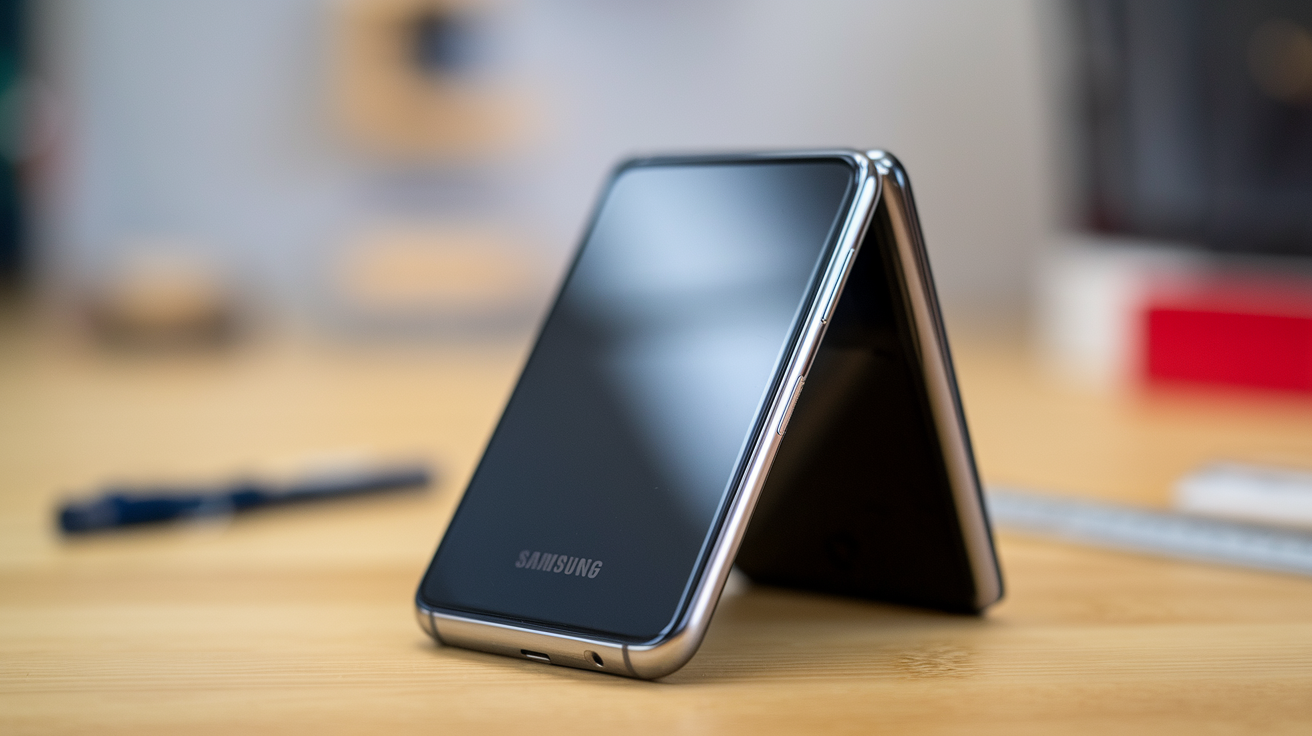
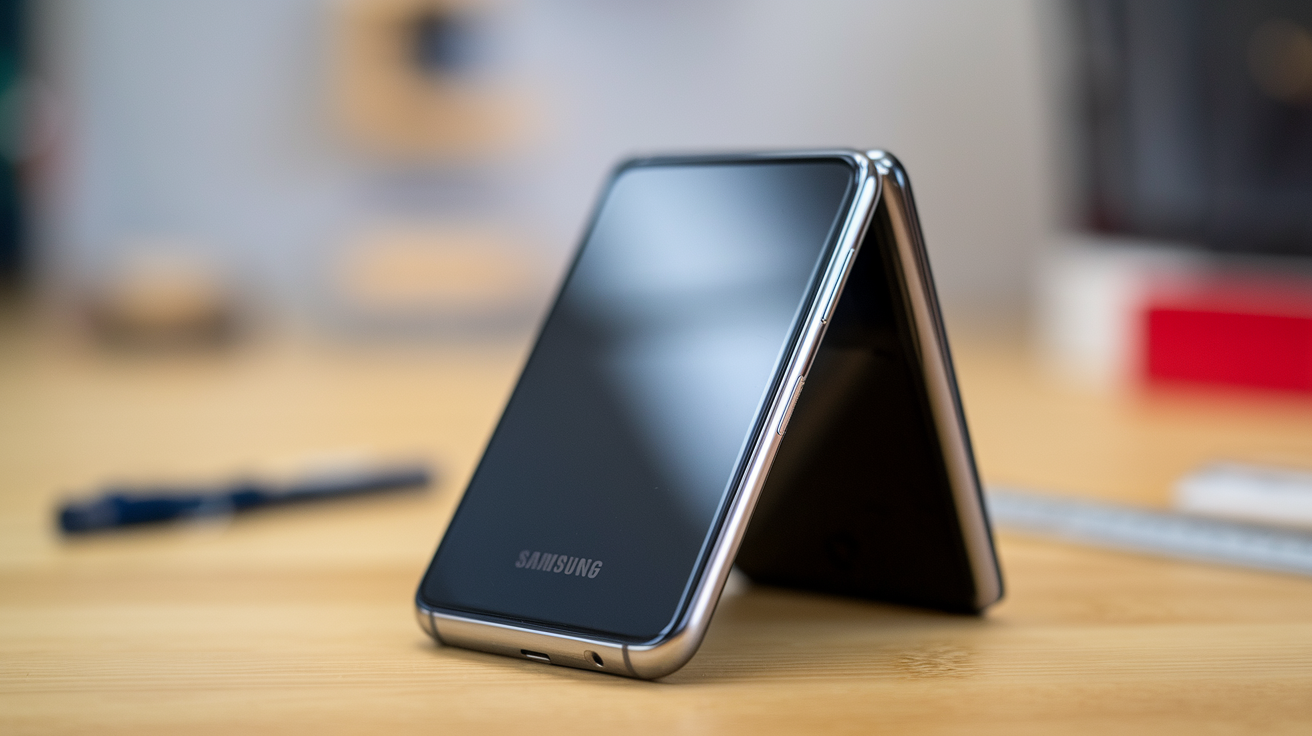
The Anticipated Price of the Samsung Galaxy Z Flip 7 in the USA: A Comprehensive Analysis
The smartphone landscape is in constant flux, but few segments have captured the imagination quite like foldables. Leading this charge is Samsung, with its innovative Galaxy Z Flip series. As anticipation builds for the rumored Galaxy Z Flip 7, one of the most pressing questions on consumers’ minds, particularly in the crucial United States market, is its potential price point. While official details remain under wraps, a thorough analysis of past trends, technological advancements, market dynamics, and economic factors can provide a well-informed prediction.
This article delves deep into the expected pricing of the Samsung Galaxy Z Flip 7 in the USA, exploring the myriad elements that will shape its final sticker price, and offering insights into how American consumers can maximize value when it eventually hits the shelves.
The Evolution of Z Flip Pricing: A Historical Context
To project the future, it’s essential to understand the past. Samsung’s pricing strategy for the Z Flip series has evolved significantly, reflecting advancements in technology, economies of scale, and market positioning.
- Galaxy Z Flip (Original, 2020): Launched at a premium price of $1,380. This reflected its pioneering status as one of the first clamshell foldables, high R&D costs, and nascent manufacturing processes. It was a niche, luxury item.
- Galaxy Z Flip 3 (2021): This was a game-changer. Samsung aggressively priced it at $999.99, making foldable technology accessible to a much wider audience. This strategic move, coupled with significant durability improvements and a more refined design, led to its immense success and cemented the Z Flip as a viable mainstream option.
- Galaxy Z Flip 4 (2022): Maintaining the successful formula, the Z Flip 4 also launched at $999.99. This demonstrated Samsung’s commitment to keeping the Z Flip within the psychological sub-$1000 barrier, despite incremental upgrades to the processor, battery, and camera.
- Galaxy Z Flip 5 (2023): The Z Flip 5 saw a slight price bump, starting at $999.99 for the 256GB base model, but effectively a slight increase as it replaced the previous 128GB base. More significantly, its primary upgrade – the much larger and more functional Flex Window cover screen – added considerable value. Despite the enhanced features, Samsung managed to keep the entry price point appealing, demonstrating their careful balance between innovation and affordability.
This historical trajectory suggests a strong likelihood that Samsung will strive to keep the Z Flip 7’s price competitive, ideally hovering around the $1,000 mark for the base model in the US. However, several factors could push this figure up or down.
Key Factors Influencing the Galaxy Z Flip 7’s Price in the USA
The final price of the Galaxy Z Flip 7 will be a complex calculation influenced by a confluence of technological, economic, and market forces.
1. Technological Advancements and Component Costs
Each new generation of smartphones brings advancements, and foldables are no exception. The Z Flip 7 is expected to feature several upgrades that could impact its manufacturing cost:
- Processor: A new-generation Qualcomm Snapdragon 8 Gen 4 for Galaxy, custom-tuned for Samsung, is highly probable. These cutting-edge chipsets are expensive to produce, and their cost is a significant component of the phone’s overall bill of materials (BoM).
- Display Technology: While the core foldable display might be similar, continuous improvements in ultra-thin glass (UTG) durability, brightness, color accuracy, and perhaps even refresh rate optimization could subtly increase costs. The external "Flex Window" could also see further enhancements, potentially including new sensor integrations or even more advanced display technology.
- Camera System: Cameras are a major battleground for smartphones. If Samsung opts for larger, more advanced sensors, improved optical image stabilization (OIS), or even introduces a telephoto lens (a long-requested feature for the Flip series), these components will drive up the price.
- Hinge Mechanism: The hinge is the most complex and critical part of a foldable. Samsung has continuously refined its "Flex Hinge" for greater durability, less visible crease, and a tighter fold. Further innovations in this area, utilizing new materials or engineering, could add to production costs.
- Battery Technology: While not always a dramatic cost driver, improvements in battery capacity or charging speeds (e.g., faster charging support, more efficient battery chemistry) can slightly increase BoM.
- Build Materials: The use of premium materials like Armor Aluminum for the frame and Gorilla Glass Armor (or an even newer iteration) for external panels contributes to both durability and cost.
- Storage and RAM: The base model’s storage (likely 256GB) and RAM configuration will set the entry price. Higher storage tiers (512GB, 1TB) will naturally command higher prices. If memory and storage component prices are volatile globally, this could affect the launch price.
2. Manufacturing and Supply Chain Efficiencies
As foldable technology matures, manufacturing processes become more efficient, and economies of scale begin to kick in.
- Increased Production Volume: If Samsung anticipates higher sales volumes for the Z Flip 7, the cost per unit can decrease, allowing for more competitive pricing or higher profit margins.
- Refined Processes: Years of experience in foldable production lead to streamlined assembly, reduced waste, and improved yield rates, all of which contribute to cost savings.
- Global Supply Chain Stability: Geopolitical events, material shortages, or shipping disruptions can significantly impact production costs. A stable supply chain helps maintain predictable pricing.
3. Market Competition
The foldable market, while still niche compared to traditional smartphones, is becoming increasingly competitive.
- Clamshell Rivals: Motorola’s Razr series and brands like OPPO (with its Find N3 Flip) are direct competitors in the clamshell foldable segment. Samsung needs to price the Z Flip 7 competitively to maintain its dominant market share.
- Book-Style Foldables: While the Galaxy Z Fold series is Samsung’s primary competitor in the larger foldable segment, devices like the Google Pixel Fold also influence the premium foldable market’s overall pricing perception.
- Traditional Flagships: The Z Flip 7 also competes with high-end traditional smartphones like Samsung’s own Galaxy S series, Apple’s iPhones, and Google’s Pixel Pro models. Consumers often weigh the novelty and convenience of a foldable against the established performance and camera prowess of a traditional flagship, often at a similar or lower price point. Samsung needs to ensure the Z Flip 7’s value proposition justifies its cost relative to these alternatives.
- Apple’s Potential Entry: While not imminent, the long-rumored entry of Apple into the foldable market would send shockwaves, potentially forcing all manufacturers to re-evaluate their pricing strategies to remain competitive.
4. Economic Climate and Consumer Spending Power
Macroeconomic factors play a crucial role in pricing decisions, particularly in a market as sensitive as the USA.
- Inflation: Persistent inflation can increase the cost of raw materials, labor, and logistics, pushing up manufacturing expenses. Companies often pass these increased costs onto consumers.
- Interest Rates: Higher interest rates can make financing purchases more expensive for consumers, potentially dampening demand for high-ticket items like premium smartphones.
- Consumer Confidence: A robust economy with high consumer confidence typically encourages spending on new technology. Conversely, economic uncertainty can lead to more cautious spending.
- Exchange Rates: Fluctuations in currency exchange rates (especially USD against Korean Won or other manufacturing currencies) can impact Samsung’s profitability and, consequently, its pricing strategy for different markets.
5. Samsung’s Strategic Positioning and Profit Margins
Ultimately, Samsung makes a strategic decision based on desired profit margins, market share goals, and brand positioning.
- Maintaining Market Leadership: Samsung wants to maintain its leadership in the foldable space. Aggressive pricing can help achieve this, even if it means slightly lower per-unit profits.
- Accessibility vs. Premium: The Z Flip 3’s success proved that a sub-$1000 price point makes foldables significantly more accessible. Samsung is likely to stick to this strategy to attract a broader demographic, including fashion-conscious users and those seeking a compact, innovative device.
- Ecosystem Play: Samsung views its smartphones as gateways to its broader ecosystem (watches, earbuds, tablets, smart home devices). A competitive Z Flip price encourages adoption, which can lead to sales of other Samsung products and services.
Price Prediction for the Galaxy Z Flip 7 in the USA
Considering all the factors outlined above, a few scenarios for the Galaxy Z Flip 7’s pricing in the USA emerge.
Given Samsung’s consistent efforts to keep the Z Flip series around the $1,000 mark and the increasing competition, a dramatic price increase is unlikely unless there are truly groundbreaking, expensive innovations.
The most probable price for the base model (e.g., 256GB storage) of the Samsung Galaxy Z Flip 7 in the USA is likely to be:
- $999.99 to $1,049.99
Here’s the rationale:
- Staying Under/Around $1,000: The $999.99 price point has been incredibly successful for the Z Flip 3, 4, and 5. It creates a perception of value and makes the device more palatable for consumers who might otherwise shy away from a four-digit price tag. Samsung will likely fight hard to maintain this.
- Inflationary Pressure: A slight increase to $1,049.99 would account for general inflation, increased component costs (especially for a new generation chip and potential camera upgrades), and higher manufacturing expenses without alienating the core market. This is a common strategy seen with other flagship phones from various brands over the past few years.
- Value Proposition: Even at $1,049.99, if the Z Flip 7 offers substantial upgrades in performance, camera quality, battery life, and hinge durability, it would still represent a strong value proposition for a cutting-edge foldable.
Higher Storage Tiers:
- 512GB Model: Expect this to be priced around $1,099.99 to $1,149.99.
- 1TB Model (if offered): This could potentially push into the $1,249.99 to $1,299.99 range, appealing to power users who need extensive storage.
Beyond the MSRP: Maximizing Value for US Consumers
The sticker price is often just the starting point. In the highly competitive US market, there are numerous ways for consumers to get the Galaxy Z Flip 7 at a significantly lower effective cost.
1. Carrier Deals and Promotions
US carriers (Verizon, AT&T, T-Mobile, and smaller regional carriers) are arguably the most impactful factor in reducing the upfront cost of new flagships.
- Trade-In Offers: This is the most common and effective strategy. Carriers often offer hundreds of dollars in bill credits or instant discounts for trading in an older smartphone, even if it’s several generations old or has a cracked screen (for specific promotions). These deals can effectively bring the price down by $500-$1000, sometimes making the Z Flip 7 "free" over 24-36 months of bill credits.
- New Line Activations: Adding a new line of service to an existing account or porting a number from a competitor often qualifies for substantial discounts or promotional pricing.
- Bundles and Add-ons: Carriers may bundle the Z Flip 7 with other Samsung devices like Galaxy Watch or Galaxy Buds, sometimes offering them for free or at a deep discount when purchased with the phone.
- Installment Plans: Most carriers offer interest-free installment plans over 24 or 36 months, making the high upfront cost manageable by spreading payments over time.
- Loyalty Programs: Existing customers might receive special upgrade offers or loyalty discounts.
2. Samsung.com and Retailer Promotions
Samsung’s official website and major retailers like Best Buy, Amazon, and others also offer compelling deals, especially during the pre-order phase and major sales events.
- Enhanced Trade-Ins: Samsung.com often offers higher trade-in values directly compared to open market values, sometimes even matching carrier promotions.
- Pre-order Bonuses: This is a crucial window for value. Samsung typically offers:
- Free Storage Upgrades: Get the 512GB model for the price of the 256GB.
- Samsung Credit: A credit of $50-$150 to spend on accessories, watches, or earbuds.
- Bundled Accessories: Free cases, chargers, or other accessories.
- Student/Employee Discounts: Samsung often has programs for students, educators, and corporate employees that offer direct discounts on devices.
- Shop Samsung App Exclusives: Sometimes, better deals or unique bundles are available only through the Samsung Shop app.
- Cashback and Rewards Programs: Utilizing credit cards with cashback rewards or participating in loyalty programs from retailers can yield additional savings.
3. Unlocked vs. Carrier-Locked
Consumers in the USA have the choice between buying an unlocked Z Flip 7 or one locked to a specific carrier.
- Unlocked:
- Pros: Freedom to switch carriers, no carrier bloatware, faster software updates (sometimes), better resale value.
- Cons: Higher upfront cost (no carrier subsidies/discounts), less access to aggressive trade-in deals (unless through Samsung.com).
- Carrier-Locked:
- Pros: Access to significant subsidies, bill credits, and promotional pricing that can drastically reduce the effective cost.
- Cons: Tied to a specific carrier for a period (usually 24-36 months), potential bloatware, slower software updates (sometimes).
For most US consumers, especially those with an eligible trade-in, carrier-locked deals often provide the most immediate and significant savings.
4. Timing Your Purchase
- Pre-order Period: Often the best time due to exclusive bonuses and enhanced trade-ins.
- Launch Window: Deals usually persist for a few weeks post-launch.
- Holiday Sales: Black Friday, Cyber Monday, and year-end sales can bring back strong promotions, though perhaps not as aggressive as pre-order deals.
- New Model Release: The price of the Z Flip 7 will likely drop when the Z Flip 8 is announced, but that’s a year away.
What to Expect from the Galaxy Z Flip 7 (Briefly)
While the price is a major consideration, the features will ultimately justify it. The Galaxy Z Flip 7 is expected to build upon its predecessor’s strengths with:
- Performance: The new Snapdragon 8 Gen 4 for Galaxy will offer significant performance and efficiency gains.
- Camera Improvements: While unlikely to match the S Ultra series, expect better low-light performance, improved computational photography, and potentially a more versatile lens setup.
- Battery Life: Optimizations from the new chipset and potentially a slightly larger battery could lead to noticeable improvements.
- Durability: Further enhancements to the Flex Hinge and display’s Ultra-Thin Glass will aim to make the device even more robust.
- AI Integration: Following the Galaxy S24 series, expect advanced Galaxy AI features to be integrated, enhancing everything from photo editing to communication.
- Design Refinements: Minor tweaks to the design, perhaps even slimmer bezels or a more refined hinge mechanism.
These advancements, combined with the unique clamshell form factor, contribute to the perceived value that will encourage consumers to pay the anticipated price.
Conclusion
The Samsung Galaxy Z Flip 7 is poised to be another significant iteration in the foldable revolution, and its price in the USA will be a critical factor in its success. While official pricing is yet to be announced, a comprehensive analysis points towards a base model price likely falling within the $999.99 to $1,049.99 range. This strategic pricing would allow Samsung to continue its mission of making foldables more accessible while accounting for inflationary pressures and the cost of cutting-edge components.
For American consumers, the initial sticker price is only one piece of the puzzle. By leveraging aggressive carrier trade-in offers, pre-order bonuses from Samsung.com and retailers, and carefully timing their purchase, they can significantly reduce the effective cost of ownership. The Galaxy Z Flip 7 is not just a phone; it’s a statement of innovation, and Samsung aims to ensure that statement remains within reach for a broad spectrum of tech enthusiasts and fashion-forward individuals in the United States. As the launch approaches, the exact figure will be revealed, but the overarching strategy of balancing premium innovation with competitive accessibility is likely to remain Samsung’s guiding principle.