
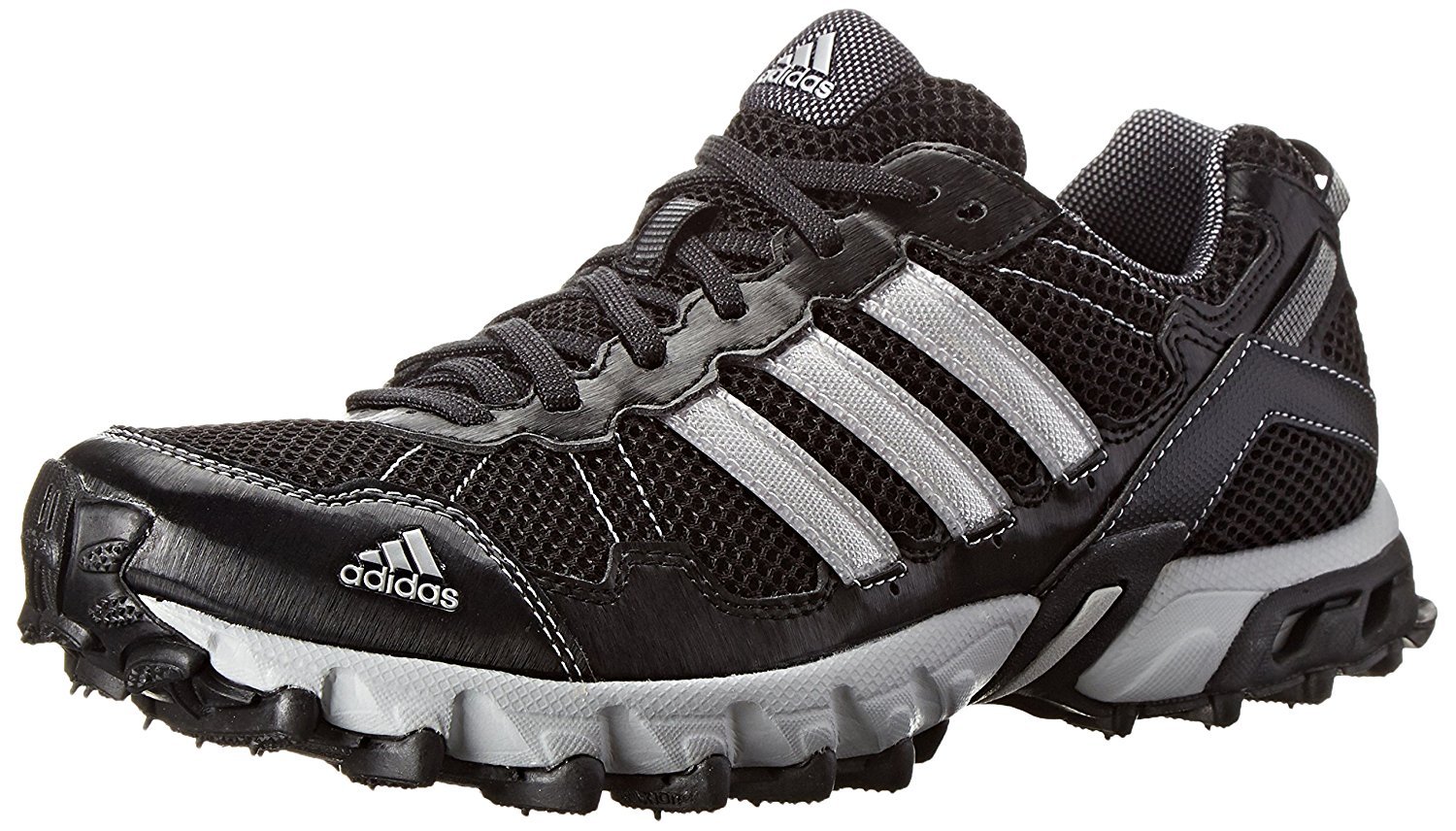
The Unwavering Foundation: Best Adidas Running Shoes for Flat Feet in 2025
For runners with flat feet, the quest for the perfect shoe isn’t just about comfort; it’s about safeguarding against injury, optimizing performance, and ensuring every mile is a pleasure, not a pain. The unique biomechanics of a flatter arch often lead to excessive pronation – an inward rolling of the foot that can cascade into issues ranging from shin splints and knee pain to plantar fasciitis. Fortunately, leading sportswear brands like Adidas have consistently invested in research and innovation to address these specific needs.
As we look ahead to 2025, the landscape of running shoe technology continues to evolve at a rapid pace. Adidas, a titan in the industry, is expected to push boundaries with advancements in cushioning, stability systems, and sustainable materials. This article delves into the anticipated best Adidas running shoes for flat feet in 2025, offering insights into the technologies that will define them and how to choose the ideal pair for your stride.
Understanding Flat Feet and Overpronation: Why Your Shoes Matter
Before diving into specific models, it’s crucial to grasp why flat feet demand specialized footwear.
Flat feet (Pes Planus) are characterized by a lack of a visible arch when standing, where the entire sole of the foot makes contact with the ground. While some individuals are born with naturally flat feet, others may develop them over time due to factors like age, injury, or wear and tear on the tendons that support the arch.
The primary concern for runners with flat feet is overpronation. This is a natural motion where the foot rolls inward upon impact to absorb shock. However, with flat feet, this inward roll becomes excessive, meaning the foot continues to roll inward beyond what’s considered optimal. This excessive motion can lead to:
- Misalignment: The ankle, knee, and even hips can be thrown out of alignment, increasing stress on joints.
- Muscle Strain: Muscles and tendons in the lower leg and foot work harder to stabilize the foot, leading to fatigue and strain.
- Increased Injury Risk: Common injuries include shin splints, patellofemoral pain syndrome (runner’s knee), Achilles tendonitis, and plantar fasciitis.
- Reduced Efficiency: Energy that should propel you forward is instead wasted on controlling excessive motion.
Therefore, the right running shoe for flat feet acts as a crucial support system. It’s not about "fixing" flat feet, but rather providing the necessary stability to control overpronation, guide the foot through a more neutral stride, and distribute impact forces more effectively.
Key Features of Running Shoes for Flat Feet
When evaluating running shoes for flat feet, several key characteristics stand out. By 2025, these foundational principles will remain, likely enhanced by new materials and design philosophies:
-
Stability & Motion Control: This is the cornerstone. Shoes designed for flat feet typically incorporate specific technologies to prevent excessive inward rolling. This often includes:
- Medial Posts (Dual-Density Midsoles): A firmer foam wedge placed under the arch on the medial (inner) side of the shoe. This provides resistance to the inward roll.
- Guide Rails/Support Systems: Instead of a traditional medial post, some modern stability shoes use a system of guide rails or walls along the edges of the midsole to gently steer the foot into a more neutral alignment. Adidas’s Torsion System has evolved significantly in this regard.
- Wider Base: A broader platform underfoot increases the surface area of contact, enhancing overall stability.
- Firm Heel Counter: A rigid structure around the heel helps to lock the foot in place and prevent excessive movement at the ankle.
-
Balanced Cushioning: While cushioning is vital for shock absorption, for flat feet, it needs to be balanced. Too much softness can paradoxically lead to more instability, as the foot sinks further into the foam, exacerbating pronation. The ideal cushioning offers responsiveness and protection without compromising support. Adidas’s Boost, Lightstrike, and potentially new foam innovations will play a significant role here.
-
Secure Fit & Upper: A snug and secure fit around the midfoot and heel is crucial. An upper that holds the foot firmly without constriction prevents slippage and works in conjunction with the sole unit to provide comprehensive support. Adidas’s Primeknit, engineered mesh, and integrated lacing systems are adept at this.
-
Outsole Durability & Grip: For shoes that will endure many miles, a durable outsole is essential. Good traction is also important for stability on various surfaces. Adidas’s partnership with Continental Rubber has consistently delivered exceptional grip and longevity.
-
Moderate Heel-to-Toe Drop: While highly individual, many runners with flat feet find shoes with a moderate drop (e.g., 8-12mm) comfortable, as it can reduce strain on the Achilles tendon and calves.
Adidas Technologies: The Foundation of Future Stability
Adidas has a rich history of innovation, and its core technologies are continuously refined. By 2025, we can expect these to form the backbone of their stability offerings:
- Boost: While celebrated for its exceptional energy return and cushioning, Boost foam can also be engineered with varying densities. Firmer Boost sections, or Boost combined with other foams, can provide a stable and responsive platform, particularly effective for moderate support needs.
- Lightstrike & Lightstrike Pro: These lighter, more responsive foams are increasingly used across Adidas’s performance lineup. Their versatility allows them to be tuned for both speed and stability, often in conjunction with other elements. We might see multi-density Lightstrike setups specifically for pronation control.
- Torsion System: A hallmark of Adidas footwear for decades, the Torsion System is a thermoplastic arch support that allows the forefoot and rearfoot to move independently, promoting natural foot movement while providing midfoot integrity. By 2025, we anticipate more advanced, potentially adaptive, or geometrically optimized Torsion Systems that dynamically respond to the runner’s gait. Perhaps a "Torsion System X" that integrates with the midsole foam in new ways.
- LEP (Linear Energy Push): Introduced in models like the Adizero Adios Pro, LEP enhances forefoot stiffness for propulsive toe-offs. While primarily for speed, strategically placed stiffening elements can also contribute to stability by preventing excessive torsion.
- Primeknit & Engineered Mesh Uppers: These knitted or woven uppers offer a sock-like fit, breathability, and targeted support zones. For flat feet, a secure Primeknit upper can wrap the foot, enhancing the lockdown and working synergistically with the sole unit.
- Continental Rubber Outsole: Provides superior grip in wet and dry conditions and excellent durability, ensuring the shoe’s stability features last over many miles.
Best Adidas Running Shoes for Flat Feet in 2025 (Anticipated Models)
Predicting specific model names for 2025 is speculative, but we can project the evolution of current successful lines and imagine new additions based on Adidas’s trajectory. The focus will be on enhanced, perhaps even adaptive, stability solutions.
1. Adidas SolarGlide ST 2025 (The Reliable Daily Trainer)
- Evolution Of: The successful SolarGlide series, known for its balanced cushioning and durability. The "ST" designation signifies "Stability."
- Anticipated Features for Flat Feet:
- Enhanced Medial Support: Expect a refined dual-density Boost or a new, firmer Lightstrike foam segment integrated into the medial side of the midsole, offering gentle but effective pronation control. This might be less obtrusive than traditional medial posts.
- Integrated Stability Frame: A redesigned Torsion System or a new "Stability Frame" that extends further into the midfoot and wraps slightly around the heel, providing a more comprehensive cradle for the foot.
- Wider Forefoot Platform: To enhance ground contact and stability during toe-off.
- Comfort-Focused Upper: A breathable engineered mesh upper with strategic overlays for a secure, adaptive fit without sacrificing comfort during daily runs.
- Ideal For: Everyday training, moderate mileage, runners seeking a blend of cushioning and subtle stability for mild to moderate overpronation. A workhorse for the majority of flat-footed runners.
2. Adidas Adistar Pro Support 2025 (The Long-Run Specialist)
- Evolution Of: Building on the Adistar CS (Cushioned Support) model, known for its substantial cushioning and robust build, this 2025 version would be a flagship for maximum stability.
- Anticipated Features for Flat Feet:
- Maximal Stability Geometry: A re-engineered midsole with a pronounced medial wall and a potentially innovative "Geo-Support" system – perhaps a 3D-printed lattice or a highly structured foam that dynamically adjusts to provide support where and when needed.
- Dual-Layered Midsole: A firmer, more resilient bottom layer (e.g., Lightstrike) for stability, topped with a softer, more responsive layer (e.g., Boost or a new high-energy return foam) for plush comfort on long runs.
- Adaptive Heel Counter: A more advanced heel counter that provides exceptional lockdown, perhaps with adaptive padding that molds to the Achilles.
- Robust Outsole: A full-coverage Continental Rubber outsole designed for durability and multi-surface traction, capable of handling high mileage.
- Ideal For: Long-distance running, recovery runs, heavier runners, or those with severe overpronation requiring maximal support and cushioning.
3. Adidas Adizero Boston ST 2025 (The Performance Stability Option)
- Evolution Of: The popular Adizero Boston, known for its versatility as a tempo trainer and race shoe, now adapted with a subtle stability focus. "ST" for Stability.
- Anticipated Features for Flat Feet:
- Targeted Lightstrike Pro Density: While keeping the shoe lightweight and responsive, specific areas of the Lightstrike Pro midsole, particularly under the arch, would be engineered with higher density or firmness to provide stability without a traditional medial post.
- Propulsive Stability Rods/Plates: Instead of a full carbon plate, a modified LEP system or strategically placed energy rods that not only provide propulsion but also subtly guide the foot, preventing excessive pronation during faster paces.
- Minimalist Yet Supportive Upper: A lightweight, breathable Primeknit or Celermesh upper that offers a secure, race-ready fit without unnecessary bulk, crucial for performance.
- Optimized Outsole: Continental Rubber outsole with a pattern designed for aggressive grip during speed work and races.
- Ideal For: Tempo runs, shorter races, or runners with mild to moderate overpronation who want a lighter, faster shoe with integrated stability. This wouldn’t be for severe overpronators but for those who need just enough support to perform.
4. Adidas Supernova Stabilize 2025 (The Everyday Comfort & Support)
- Evolution Of: The Supernova series, known for its comfortable, accessible, and versatile nature. This model would be the go-to for daily comfort with reliable support.
- Anticipated Features for Flat Feet:
- Comfort-First Stability: A balanced approach to cushioning and stability, likely using a combination of Boost and Lightstrike, with the Lightstrike foam being strategically firmer on the medial side.
- "Flow-Motion" Stability System: A subtle, integrated stability system that works with the natural motion of the foot, offering guidance rather than rigid control. This could involve innovative midsole geometries or structured flex grooves.
- Plush Upper: A highly comfortable, padded upper with an accommodating fit, suitable for runners seeking maximum comfort for daily activities and shorter runs.
- Durable Outsole: A robust rubber outsole designed for everyday wear and tear.
- Ideal For: Beginners, casual runners, walkers, or those who prioritize comfort and reliable, gentle support for daily use.
5. Adidas ApexSupport 2025 (The Revolutionary Adaptive Support)
- Hypothetical New Model: This would be Adidas’s foray into truly adaptive, perhaps even personalized, stability.
- Anticipated Features for Flat Feet:
- AI-Driven Midsole Geometry: Utilizing advanced computational design, the midsole could feature intricate lattice structures or varying densities of foam (potentially 3D-printed or liquid-infused) that are precisely tuned to provide dynamic support based on pressure mapping and gait analysis. Imagine a shoe that "learns" your stride.
- Bio-Responsive Torsion System: A next-generation Torsion System that isn’t static but rather incorporates smart materials or responsive polymers that stiffen or relax based on the forces applied during the gait cycle, offering true adaptive support.
- Personalized Fit Upper: A highly customizable upper, perhaps using an advanced form of Primeknit or a new "FitWeave" technology that can be slightly adjusted or even molded to the wearer’s foot shape and support needs.
- Integrated Sensors: While speculative, some high-end models might include embedded sensors that provide real-time feedback on pronation, stride efficiency, and even offer guidance through a connected app.
- Ideal For: Runners seeking cutting-edge technology, highly personalized support, and optimal performance for all distances, willing to invest in a premium product. This would be the "halo" product demonstrating Adidas’s future vision.
Choosing the Right Pair: Beyond the List
Even with a detailed forecast, selecting the best running shoe is a highly personal decision. For flat-footed runners in 2025, here’s how to approach it:
- Get a Gait Analysis: The most crucial step. Visit a specialized running store that offers video gait analysis. This will accurately determine your level of pronation (mild, moderate, severe) and help identify specific biomechanical needs.
- Try Them On: Never buy running shoes without trying them on. Wear your typical running socks. Walk and run a bit in the store. Pay attention to how the shoe feels under your arch, around your heel, and in the forefoot.
- Assess the Fit:
- Heel: Should feel snug, not slipping.
- Midfoot: Should feel secure but not tight or constrictive.
- Toes: Allow a thumb’s width of space between your longest toe and the end of the shoe.
- Consider Your Mileage and Purpose: A shoe for daily training might differ from a shoe for long runs or faster workouts. If you run high mileage, durability and robust support are key.
- Don’t Be Afraid to Experiment: While these anticipated models offer excellent starting points, every foot is unique. What works for one flat-footed runner may not work for another. Be open to trying different Adidas stability models or even different brands if necessary.
- Listen to Your Body: Post-run discomfort or pain is a clear sign that the shoe might not be right for you. Pay attention to how your feet, ankles, and knees feel during and after runs.
Conclusion: The Future of Support
By 2025, Adidas is poised to continue its legacy of innovation, offering an even more refined and diverse range of running shoes tailored for flat feet. From reliable daily trainers like the SolarGlide ST to advanced, potentially adaptive solutions like the hypothetical ApexSupport, runners with flat feet will have access to footwear designed to optimize their stride, minimize injury risk, and enhance their overall running experience.
The evolution of Boost, Lightstrike, and the Torsion System, coupled with advancements in upper materials and sustainable manufacturing, promises a future where stability is not just about rigidity but about dynamic, personalized support. The journey to finding your perfect pair will remain a personal one, but with Adidas’s commitment to biomechanical insight and cutting-edge technology, the path to comfortable, injury-free running for flat-footed individuals looks brighter than ever.
:max_bytes(150000):strip_icc()/adidas-womens-puremotion-adapt-running-shoe-cbdf6119c9274ed690bbddf08c19da58.jpg "The Unwavering Foundation: Best Adidas Running Shoes for Flat Feet in 2025")